
 Sage, an evergreen shrub, was originally grown in the Mediterranean region but is now found in many different
GINKGO BILOBA
The Ginkgo plant originates in the far east, China, Japan and Korea, and is also known as the Maiden Hair tree and has been around for over 290 million years.
This plant is usually used for brain fog and a forgetful memory and is not only used for perimenopause and menopause but also found to be beneficial for the elderly. It is thought to improve blood circulation which could have an impact on heart health.
It is often packaged with Siberian Ginseng, which also has and impact on mental health.
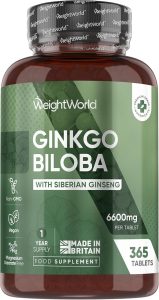
Ginkgo biloba is a tree leaf extract widely used for its circulation and cognitive benefits. During perimenopause, it may help with:
Memory & concentration: Ginkgo is often used to support brain function, helping with “brain fog” or forgetfulness.
Circulation support: Improved blood flow can help energy levels, reduce cold hands and feet, and support heart health.
Mood & stress resilience: Some women find it helps with mild anxiety or irritability.
Overall antioxidant support: Protects cells from oxidative stress, which can be higher during hormonal changes.
How to use:
Standardized capsules or tablets (follow dosage guidelines)
Herbal teas (less potent than capsules)
NB it is a possibility that Ginkgo Biloba has blood thinning properties which could be a concern – always check with your health care provider before taking.