
Natural Alternatives to HRT
For women who can’t take HRT or simply prefer a more natural route, there are plenty of gentle, effective alternatives that can really help support the body through perimenopause.
Lifestyle changes are often the foundation. Good-quality sleep helps regulate hormones and mood, while regular movement—such as walking, swimming, yoga, or strength exercises—can reduce hot flushes, protect bones, lift mood, and support weight management.
Managing stress is just as important, as high stress levels can worsen symptoms like anxiety, poor sleep, and fatigue. Even small habits like getting outside, breathing exercises, or short daily breaks can make a noticeable difference.
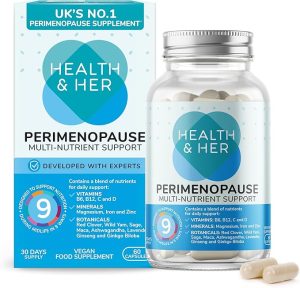
Targeted vitamins and minerals also play a key role. Magnesium is often called the “calming mineral” and can help with sleep, anxiety, muscle tension, and headaches. Vitamin D supports bone strength, immune health, and mood, which is especially important as oestrogen levels drop. B vitamins help with energy, brain fog, stress resilience, and fatigue, while omega-3s support joint health, heart health, and mood stability. Many women find that covering these basics alone already improves how they feel day to day.
Herbal and plant-based options can be helpful for some women too, especially for hot flushes, night sweats, and mood changes. Sage is often used for excessive sweating and flushes, red clover contains natural plant compounds that gently mimic oestrogen in the body, and black cohosh is sometimes used for temperature regulation and sleep. Not every herb suits every woman, and results vary, but some find these options very supportive when used properly.
Nutrition also makes a huge difference. Eating regularly, balancing protein and fibre, and reducing ultra-processed foods can help steady blood sugar, which in turn supports energy, sleep, and mood. Calcium-rich foods support bones, healthy fats support hormone production, and staying well hydrated can ease fatigue and headaches. Many women are surprised how much better they feel when they nourish themselves consistently during this stage.
Finally, emotional support and feeling understood are powerful tools in themselves. Talking openly, sharing experiences, and knowing you’re not “losing the plot” can be incredibly comforting. Whether it’s through friends, support groups, or online communities, connection can reduce anxiety and build confidence during what can feel like a very confusing time.
What Helps Which Perimenopause Symptoms?
Everyone’s experience of perimenopause is different, but here’s a simple guide to what commonly helps with specific symptoms. Think of this as a menu of support—you don’t need everything, just what suits you.
Hot Flushes & Night Sweats
Often linked to fluctuating oestrogen and temperature regulation.
Helpful options:
-
Sage (herbal support for sweating)
-
Red clover (gentle plant-based oestrogen support)
-
Keeping the bedroom cool
-
Reducing alcohol, spicy foods, and caffeine
-
Staying well hydrated
-
Wearing breathable, layered clothing
Sleep Problems & Night Waking
Very common due to hormone shifts and night sweats.
Helpful options:
-
Magnesium (for relaxation and deeper sleep)
-
Good sleep routines (regular bedtime, low light at night)
-
Limiting screens before bed
-
Keeping blood sugar steady with balanced meals
-
Gentle evening stretching or breathing exercises
Fatigue & Low Energy
Often linked to poor sleep, stress, and nutrient depletion.
-
B vitamins (for energy and brain function)
-
Iron (only if low)
-
Eating regular meals with protein
-
Gentle but consistent movement
-
Avoiding long gaps without food
Anxiety, Low Mood & Feeling Overwhelmed
Hormone fluctuations can strongly affect emotions and stress tolerance.
-
Magnesium (calming the nervous system)
-
Omega-3s (mood and brain support)
-
Daily movement (especially walking outdoors)
-
Stress-reduction habits (breathing, journaling, quiet time)
-
Talking openly and feeling supported
Brain Fog, Forgetfulness & Poor Concentration
Very common and very unsettling—but usually temporary.
-
B vitamins
-
Omega-3 fatty acids
-
Good hydration
-
Reducing ultra-processed foods
-
Better sleep support
Aches, Joint Pain & Bone Health
Lower oestrogen affects joints and bone strength.
-
Vitamin D (bone and immune support)
-
Calcium-rich foods
-
Omega-3s (anti-inflammatory)
-
Strength and resistance exercise
-
Gentle daily movement
Weight Changes & Belly Fat
Often linked to insulin sensitivity, stress, and hormone shifts.
-
Protein with each meal
-
Reducing sugar spikes
-
Regular walking and strength exercise
-
Good sleep
-
Stress reduction
Low Libido, Dry Skin & Hair Changes
Hormonal changes affect skin, lubrication, and circulation.
-
Omega-3s
-
Good hydration
-
Healthy fats in the diet
-
Strength training
-
Stress management
A Gentle Reminder
There’s no “one-size-fits-all” solution to perimenopause. Most women feel best with a combination of small changes, rather than one single magic fix. What matters most is listening to your body, being kind to yourself, and choosing support that feels realistic and sustainable.
Other vitamins, minerals and supplements
There are a number of other supplements you can take that may help you through this phase and beyond. Again always check with your healthcare professional that you can take these along with HRT or any other medication you are on. Also check the daily recommended intake for each vitamin/ supplement and make sure you do not exceed the recommended dose.
Black Cohosh: This herbal supplement has been used for centuries to manage menopausal symptoms. Some women report relief from hot flashes and mood swings, but it may not work for everyone. Consult a healthcare provider before using it, especially if you have a history of liver problems. It is packed with phytoestrogens and anti-inflammatory properties that work to balance hormones, reduce joint pain, and alleviate other debilitating symptoms.
Soy Isoflavones: These compounds found in soy products may help relieve hot flashes and improve heart health. Soy foods like tofu and soy milk can also be included in your diet.
Evening Primrose Oil: Some women use evening primrose oil to alleviate breast tenderness and mood swings. However, the evidence is limited, and it may not work for everyone.
Omega-3 Fatty Acids: These can help with heart health and may also reduce mood swings and joint pain.
DHEA (Dehydroepiandrosterone): Some studies suggest that DHEA supplementation may help with symptoms like hot flashes and mood swings, but it’s not recommended for everyone, and you should consult a healthcare provider before using it.
Red ginseng is another excellent supplement that is known for its abilities to improve mood, cognitive function, regulate hormone levels, and bolster the body’s response to stress. Nevertheless, it’s advisable to consult your healthcare provider before taking any supplements to avoid any unwanted side effects. By following these natural remedies, women can confidently alleviate perimenopause symptoms and maintain their overall health and wellness.
Red clover is a versatile and nutrient-dense plant that has been used in traditional medicine for centuries. As a dietary supplement, red clover is rich in isoflavones, which are plant-based compounds that mimic the hormone estrogen in the body. This makes it a popular supplement for women experiencing symptoms of menopause, such as hot flashes and vaginal dryness.
In addition to its hormonal benefits, red clover is a potent antioxidant that can help protect cells from damage caused by free radicals. It also has anti-inflammatory properties that can help ease pain and inflammation in the body.
Red clover is available in a variety of forms, including capsules, teas, and extracts. When selecting a red clover supplement, it’s important to choose a high-quality product from a reputable manufacturer to ensure maximum effectiveness and safety. With its many health benefits, red clover is an excellent addition to any wellness routine.
Ginkgo Biloba is a type of tree native to China that has been used in traditional Chinese medicine for centuries. Its leaves and seeds contain various compounds believed to have health benefits, including improving memory and cognitive function, reducing anxiety and depression, treating tinnitus, and reducing symptoms of dementia and Alzheimer’s disease. Additionally, ginkgo biloba may have antioxidant effects, which can help protect the body against damage from free radicals. While some studies have shown positive results, others have been inconclusive, and more research is needed to fully understand ginkgo biloba’s potential benefits and risks.
It’s important to talk to your healthcare provider before taking any new supplements or herbs.