
Hot flashes are a feeling of intense heat that comes on quickly spread over your chest neck and face or can take over your whole body but might last only for a few minutes. They can be accompanied by sweating, flushing, and a racing heart. Night sweats are similar to hot flashes, but they happen at night and can wake you up, or prevent you from sleeping.‘the only good thing about hot flushes and night sweats is that it does reduce your heating bills, but you might have to buy your partner extra layers’
During my time as a building society cashier it wasn’t uncommon to see one of your colleagues suddenly removing jackets, jumpers or cardigans and pulling blouses out of waistbands – this is one of the most usual symptoms of perimenopause.
The exact cause of hot flashes and night sweats is not fully understood, but it is thought to be related to the drop in oestrogen levels – those pesky hormones again, which helps to regulate body temperature, so when levels drop, it can lead to hot flashes and night sweats.
Fortunately, there are a number of things you can do to manage these symptoms, including:
- Dress in layers so you can easily adjust your clothing as needed.
- Avoid caffeine, alcohol, and spicy foods, which can trigger hot flashes.
- Stay hydrated by drinking plenty of fluids.
- Use a fan or air conditioner to keep your surroundings cool.
- Relaxation techniques, such as yoga or meditation, can help to reduce stress, which can trigger hot flashes.
- If your hot flashes are severe, you may want to talk to your doctor about hormone therapy.
Hot flashes and night sweats are a normal part of perimenopause, but they don’t have to control your life. By following these tips, you can manage your symptoms and enjoy your life during this transition.
If you cannot or decide not to use HRT then some of the following supplements might help to alleviate night sweats and hot flushes.
Your first port of call must be your doctor to rule out any underlying causes and to discuss possible remedies such as HRT.
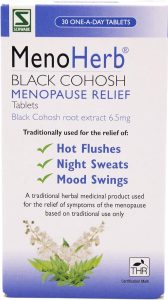
BLACK COHOSH
Black cohosh is a plant that has been used for centuries to treat a variety of women’s health problems, including hot flashes, night sweats, and irregular periods. It is thought to work by binding to estrogen receptors in the body, which can help to regulate hormone levels.
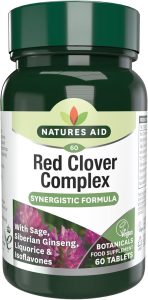
RED CLOVER
Red clover (Trifolium pratense) is a plant that contains compounds called isoflavones, which are similar to the hormone estrogen. Due to its estrogen-like properties, red clover has been studied as a natural remedy for managing symptoms. It is thought to work by increasing levels of the hormone melatonin, which can help to regulate the menstrual cycle.
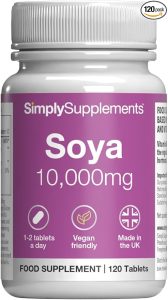
SOY & ISOFLAVONESS
These supplements contain PHYTOESTROGENS, which are found in plants and mimic estrogen when eaten or drank. You don’t need to buy extra supplements as they are easily available in soya milk or flour, linseeds, tofu and a selection of seeds such as pumpkin, sesame and sunflower., which can all be added to your daily diet. If you wan the ease of supplements the following are among the best sellers on Amazon.
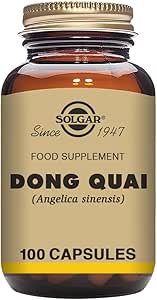 DONG QUAI
Dong (Angelica sinensis), also known as female ginseng is a Chinese herb that has been used for centuries to treat a variety of health problems, including irregular periods. It is thought to work by increasing blood flow to the body, which can help to regulate the menstrual cycle.
Dong quai contains compounds known as phytoestrogens, which can have oestrogen-like effects in the body. This has led to its use as a potential hormone replacement therapy alternative for this time of life, if HRT cannot be taken.
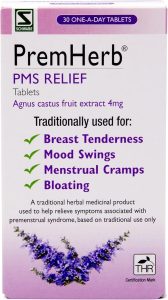 AGNUS CASTUS
Agnus castus, also known as Vitex agnus-castus or Chaseberry is a popular herbal remedy that is sometimes used to help manage various menstrual and hormonal issues, including those experienced during perimenopause. It is often suggested for conditions such as irregular periods, PMS (premenstrual syndrome), and other menstrual symptoms.
It is is believed to have an impact on the pituitary gland’s function, which in turn can help regulate the menstrual cycle.
 GINSENG
Ginseng is a root that has been used for centuries in traditional Chinese medicine. It is thought to work by improving circulation and reducing stress, both of which can help to regulate the menstrual cycle.
It contains compounds called ginsenosides, which may have oestrogen-like effects in the body. These effects could potentially help balance hormonal fluctuations during perimenopause. However, ginseng’s estrogenic activity is relatively weak compared to pharmaceutical oestrogen.